
Why Do Reusable Diapers Sometimes Leak?

Why do reusable diapers sometimes start leaking?
Here are five common reasons.
1. Your baby is teething
Teething babies often nurse or drink more for comfort, so they also urinate more. During this period, changing the diaper more often may be all that is needed.
2. The diaper is not fitted correctly
An insert or the lining of a pocket diaper may be sticking out and wicking moisture onto clothing. Check that the cover fully encloses the insert or fitted diaper. The fastening should be snug while still allowing two fingers at the front. Adjust the rise so the leg openings sit close to the body without causing discomfort. See how to fit a diaper correctly.
3. Synthetic inserts or pocket linings have a greasy build-up
Build-up on microfibre, microfleece or Coolmax may be caused by detergent containing more than 5% soap, soap flakes, soap nuts, fabric-softener residue in the washing machine, optical brighteners, too much detergent and insufficient rinsing, hand washing, or creams and oils transferred from the skin.
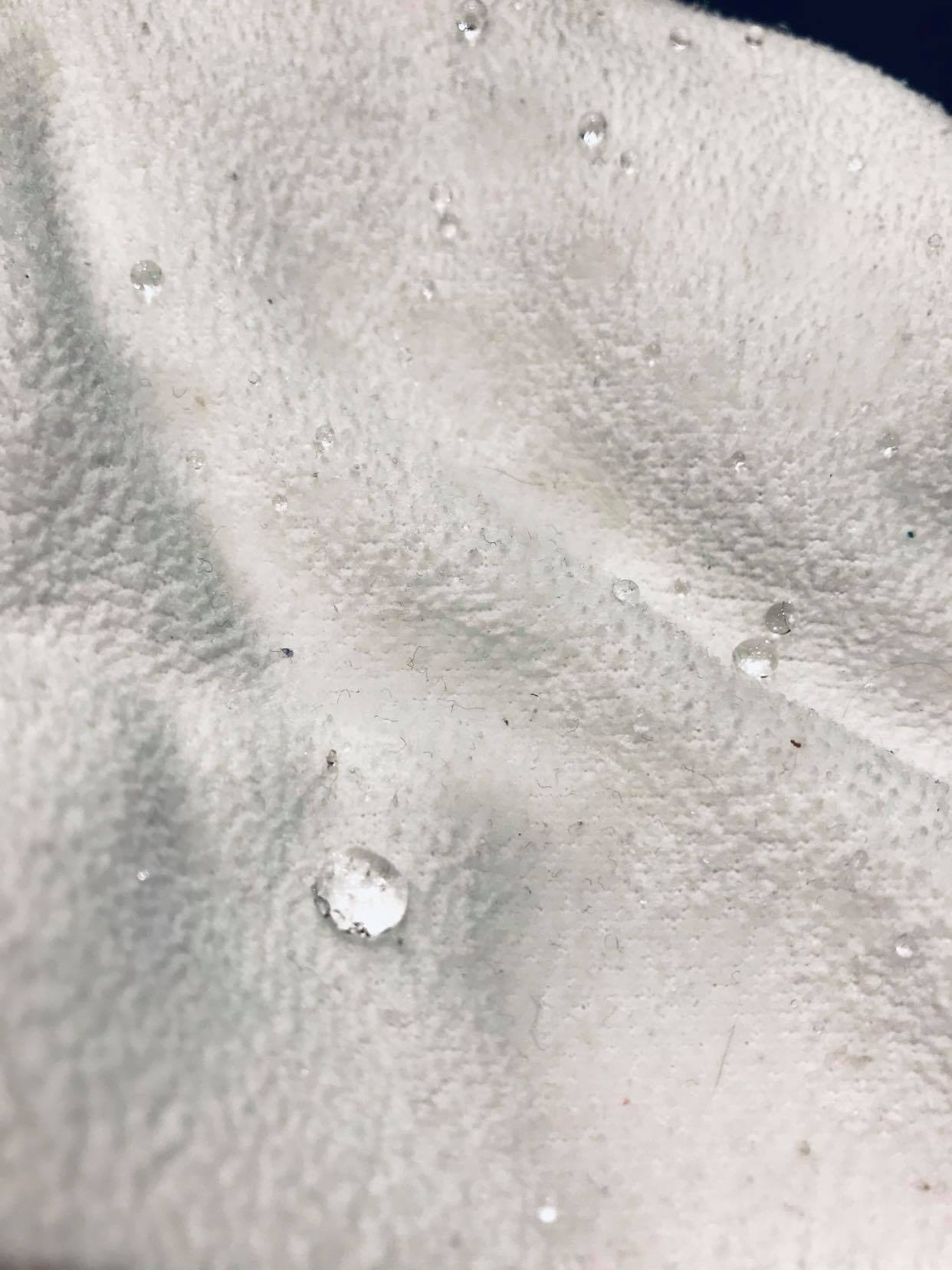
The problem is reversible. Work a small amount of washing-up liquid into the items in hot water and leave them overnight, then rinse thoroughly. A full stripping treatment may also be used; see the instructions. To test a clean, dry item, pour a little water onto it. The water should soak in immediately. If droplets remain on the surface, there is build-up. This issue affects synthetic materials such as microfibre, microfleece and Coolmax; bamboo, hemp and cotton do not become grease-repellent in the same way. Build-up on PUL may reduce breathability but generally makes it more water-resistant.
4. Your baby has grown
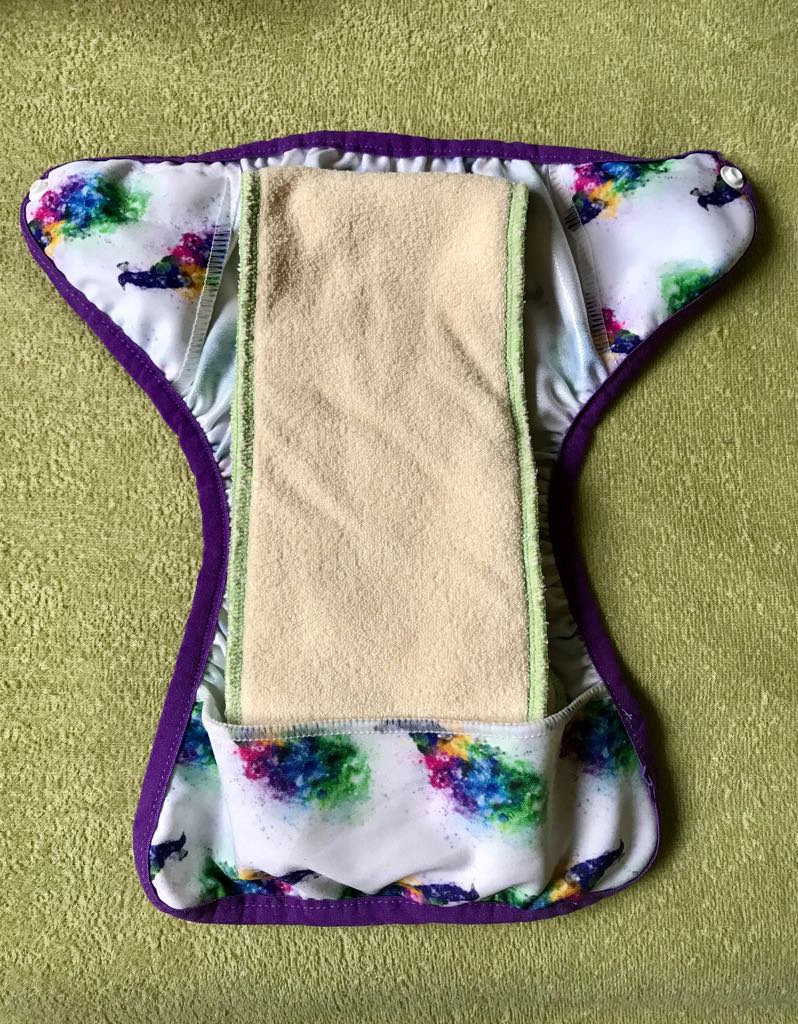
A growing child may simply need more absorbency. When moving from newborn to one-size diapers, try combining a standard insert with a newborn insert placed at the front, where extra absorbency is often useful. We also recommend our very absorbent long inserts for heavy wetters.
5. Check the PUL and elastics
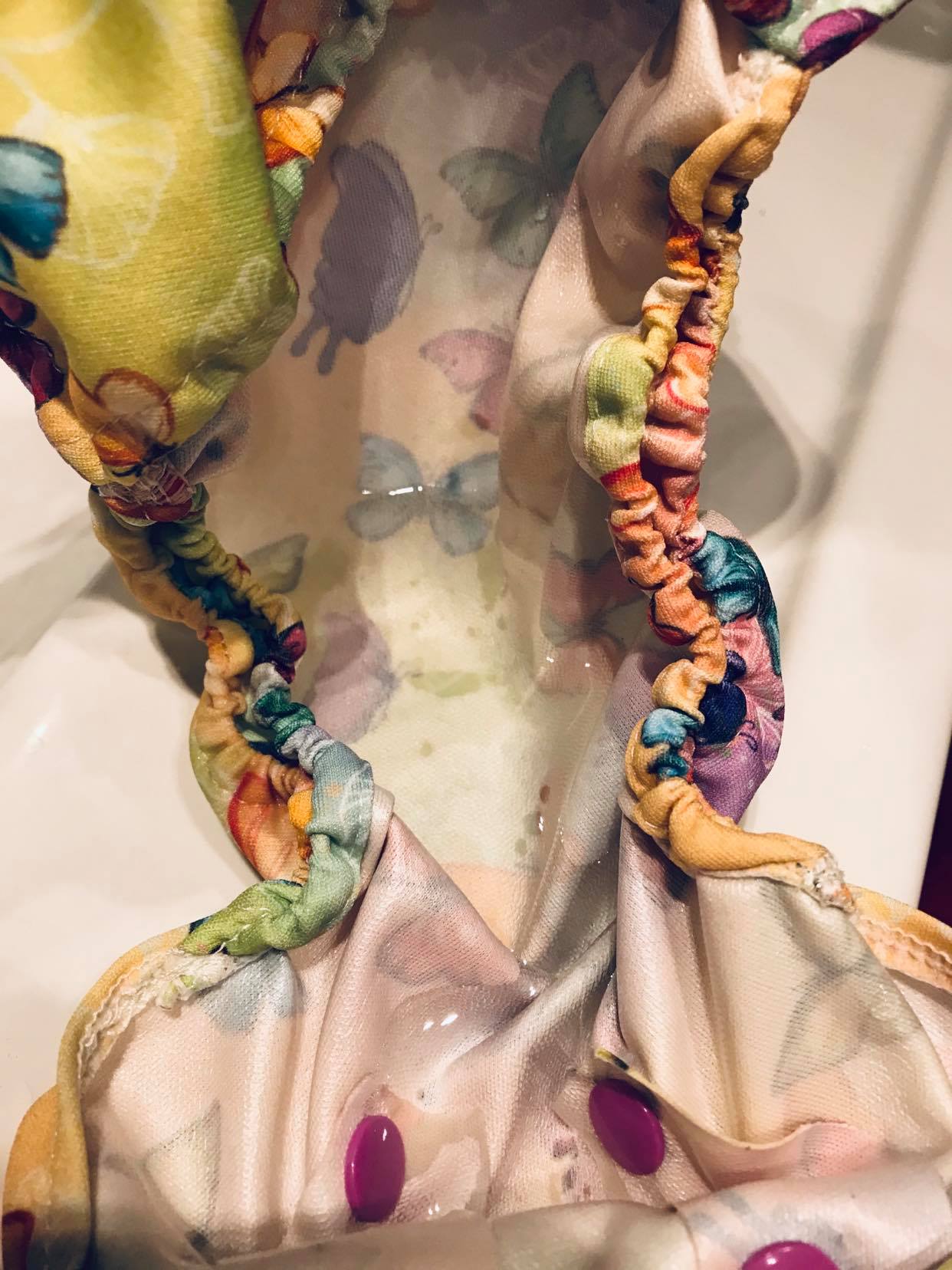
Test the PUL in covers and pocket diapers by pouring water inside and checking for seepage. Elastics can stretch after washing at excessive temperatures, spinning too fast, drying on a hot radiator, in harsh sun or in a tumble dryer, or hanging heavy wet diapers vertically. They may also deteriorate after years in storage. Fortunately, elastics can be replaced.
If you have checked all five points and the diapers still leak, contact us. Even the best systems can occasionally leak.
Recommended
